Category Archives: Endemic diseases

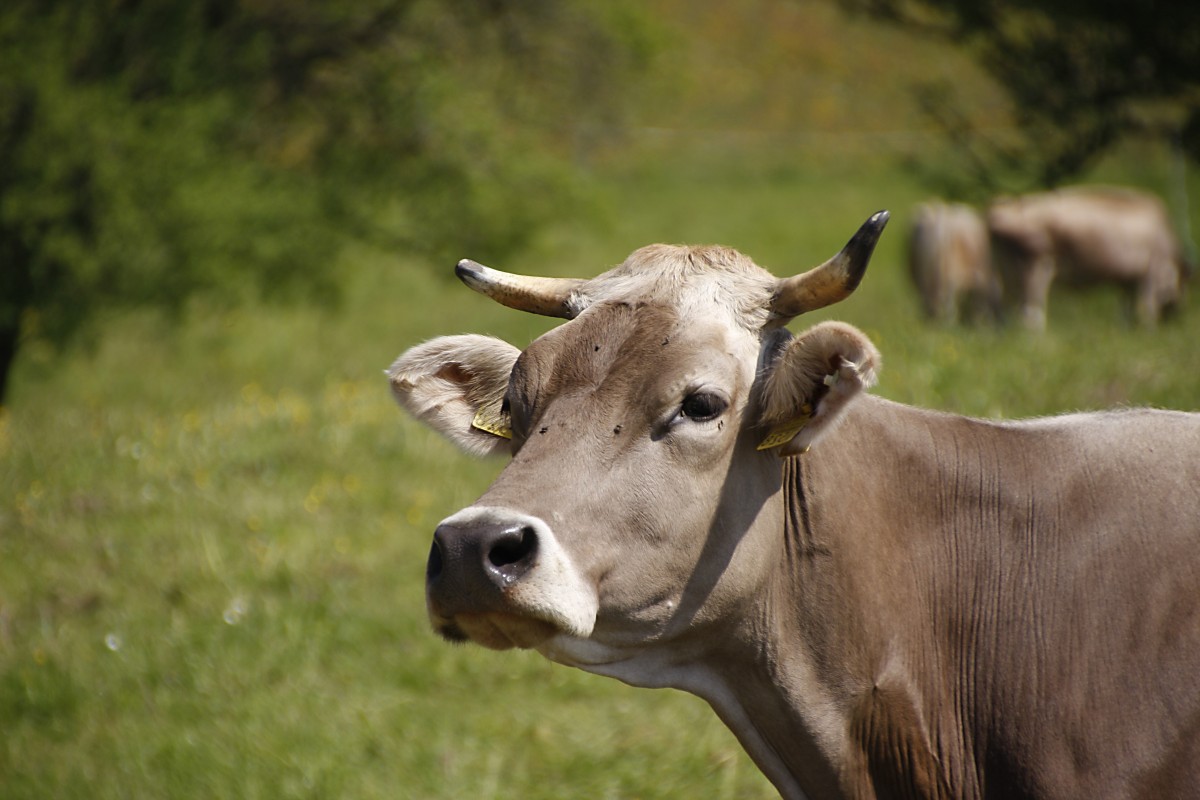

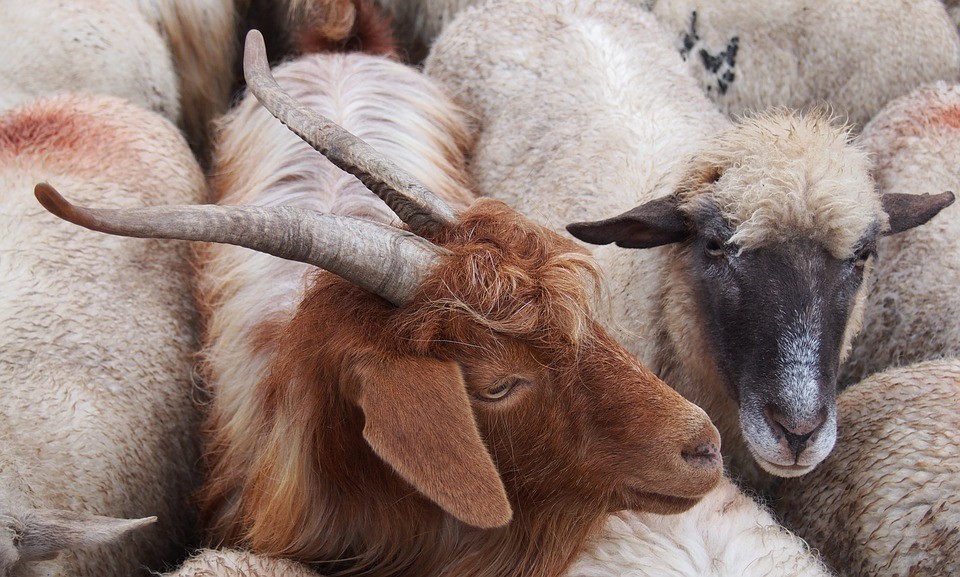
Of goats, sheep and tuberculosis
Tuberculosis is one of the diseases with which we work at IRTA-CReSA. We can do this because we have a level 3 biocontainment unit that allows us to work directly and safely with the infectious agents that cause tuberculosis. Zoonoses like this, diseases that affect animals and people, are also one of the reasons that explain the existence of a research center like ours.
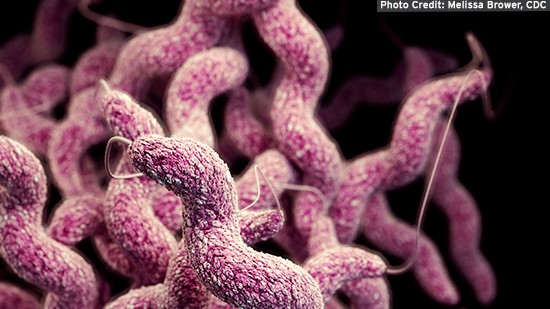
From the microbes of chickens to our plate
Campylobacter is one of the main responsible bacteria for foodborne diarrheal diseases. Most of the cases of diarrhea are associated with the consumption of food, mainly poultry meat contaminated with Campylobacter, hence, this bacterium represents a problem for food security of first order. Unlike Salmonella, Campylobacter is not part of the popular vocabulary, nor does it appear regularly in the media, although it is one of the pathogens responsible for the largest number of cases of diarrhea in humans in the European Union.

Moving towards an improved experimental model for reproduction of pneumonia induced by Mycoplasma hyopneumoniae
The 25th of April, Beatriz Garcia Morante will defend the PhD thesis entitled “Moving towards an improved experimental model for reproduction of pneumonia induced by Mycoplasma hyopneumoniae” led by researchers Dr. Marina Sibila and Dr. Joaquim Segalés of IRTA-CreSA center. This thesis is the result of the work done during three years under an Industrial Doctorate scholarship. The close collaboration with the pharmaceutical company Boehringer Ingelheim has been absolutely fundamental and enriching for the PhD student, since it has offered another scientific perspective and made possible several trips to one of the company’s veterinary research centers, in Hannover (Germany).
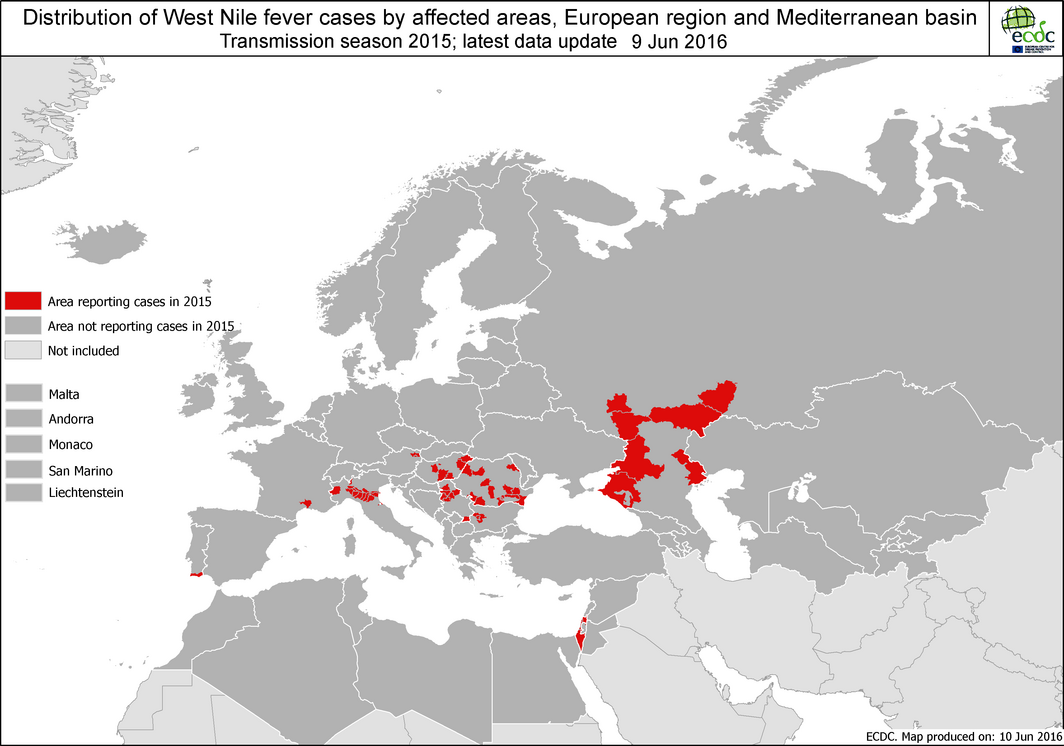
Viral comments (30): Viral safety, zoonoses and food, Europe, 2015
A little over a month ago the“The European Union summary report on trends and sources of zoonoses, zoonotic agents and food-borne outbreaks in 2015” was issued, a joint initiative of the European Food Safety Authority (EFSA) and the European Centre for Disease Prevention and Control (ECDC).